
For everyday t-shirts, organic cotton wins on health and biodegradability, since it sheds no microplastics and breaks down at the end of its life. Recycled polyester wins on durability and keeps plastic bottles out of landfills, but it still sheds synthetic fibers and stays tied to fossil fuels. The right pick depends on whether you’re avoiding microplastics or maximizing plastic diversion, and the sections below discuss life cycle data, health research, and shopping considerations relevant to that choice.
TL;DR:
- Recycled polyester sheds more microplastic fibers per gram than virgin polyester, especially when fabric construction favors filament yarns.
- Organic cotton uses less water when rain-fed and eliminates synthetic pesticides but tends to be more expensive and less suited for technical performance.
- Certifications like GOTS and GRS verify claims, but vague labels such as “eco-friendly” should be approached with skepticism without proper documentation.
- For skin contact and microplastic exposure concerns, organic cotton offers a safer option, whereas recycled polyester excels in durability and moisture-wicking for activewear.
- Blended fabrics, typically 50/50 or 60/40 cotton to recycled polyester, balance softness, shape retention, and microplastic shedding while remaining cost-effective.
Table of Contents
- Organic Cotton vs Polyester at a Glance
- What Do LCAs Say About Water, Energy, and Carbon?
- Do Polyester Clothes Shed Microplastics When You Wash Them?
- Which Fabric Performs Better Day to Day?
- What Certifications Actually Guarantee Something?
- How Should You Choose Between Cotton, Polyester, and Blends?
- Wattzgood’s Take on Choosing Fabric for a Message That Matters
- Wear the Message, Not Just the Material
- Sources
- FAQ
Organic Cotton vs Polyester at a Glance
Before digging into the life cycle assessment (LCA) data, here’s how the three most common options stack up against each other for everyday apparel decisions.
- Organic cotton: Grown without synthetic pesticides, fully biodegradable, generally lower water use than irrigated conventional cotton, no microplastic shedding, breathable feel, best for close-to-skin garments.
- Recycled polyester: Made from diverted plastic waste (often bottles), not biodegradable but mechanically recyclable, sheds synthetic microfibers, strong durability and moisture-wicking, holds sublimation prints well.
- Cotton/poly blends: Combine cotton’s softness with polyester’s shape retention and durability, moderate microplastic shedding, versatile for both screen printing and everyday wear.
Look for GOTS on organic cotton and GRS or OCS on recycled polyester. Those labels don’t just signal good intentions. They verify the supply chain claims behind the fabric you’re holding.
What Do LCAs Say About Water, Energy, and Carbon?
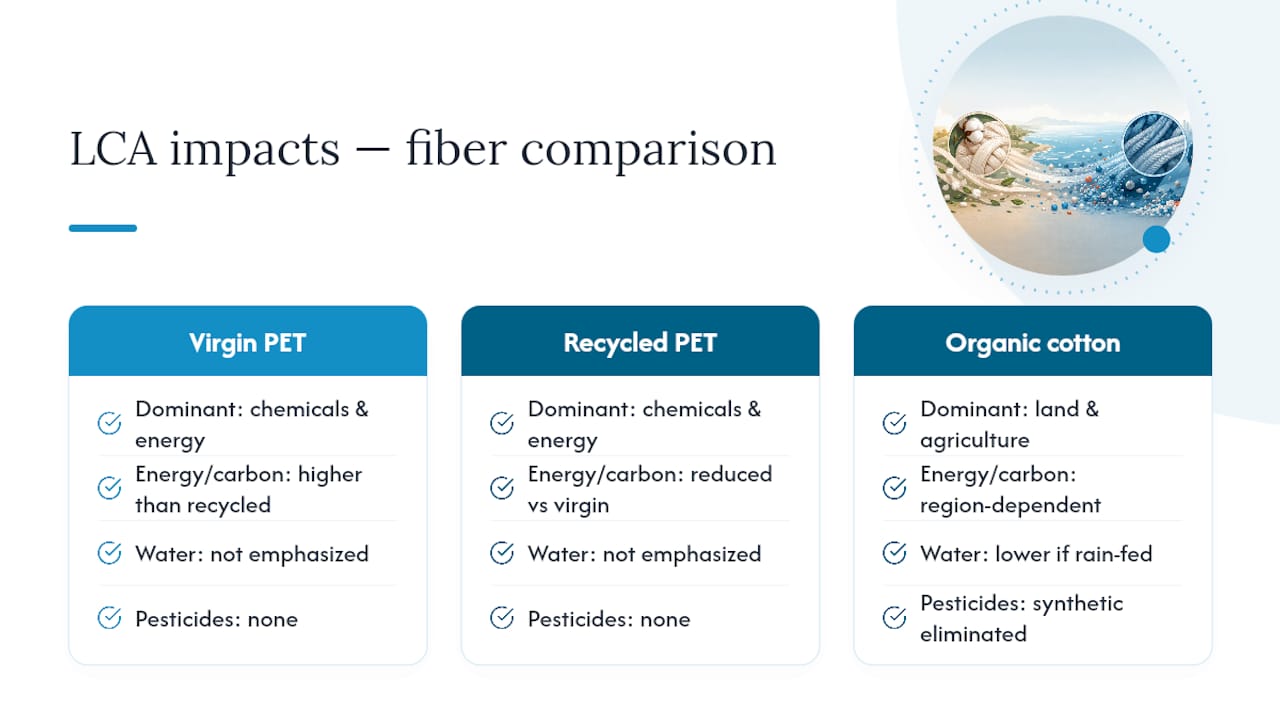
Life cycle assessments complicate the simple “cotton good, polyester bad” story that shows up in a lot of marketing copy. Textile Exchange’s polyester LCA summary found that chemical inputs and energy use, especially electricity mix, are the dominant impact drivers for both virgin and recycled polyester. Recycled polyester generally cuts energy use and carbon emissions compared with virgin polyester, but the size of that reduction swings depending on whether the recycling process is thermomechanical or chemical, and on how clean the local power grid is.
Organic cotton tells a different story. It eliminates synthetic pesticide use outright, and when it’s rain-fed rather than irrigated, it can use substantially less water than conventional cotton. That’s a real advantage over conventional cotton, though it doesn’t automatically make organic cotton lower-impact than recycled polyester across every metric. Recycled polyester still diverts plastic waste from landfills and waterways, but critics point out that recycling alone doesn’t sever polyester’s dependence on fossil-fuel feedstocks, and the recycling process itself carries its own chemical and energy costs.
The honest takeaway: region, feedstock quality, and fabric construction shift these numbers enough that a blanket “X is greener than Y” claim rarely survives contact with the actual data.
Do Polyester Clothes Shed Microplastics When You Wash Them?
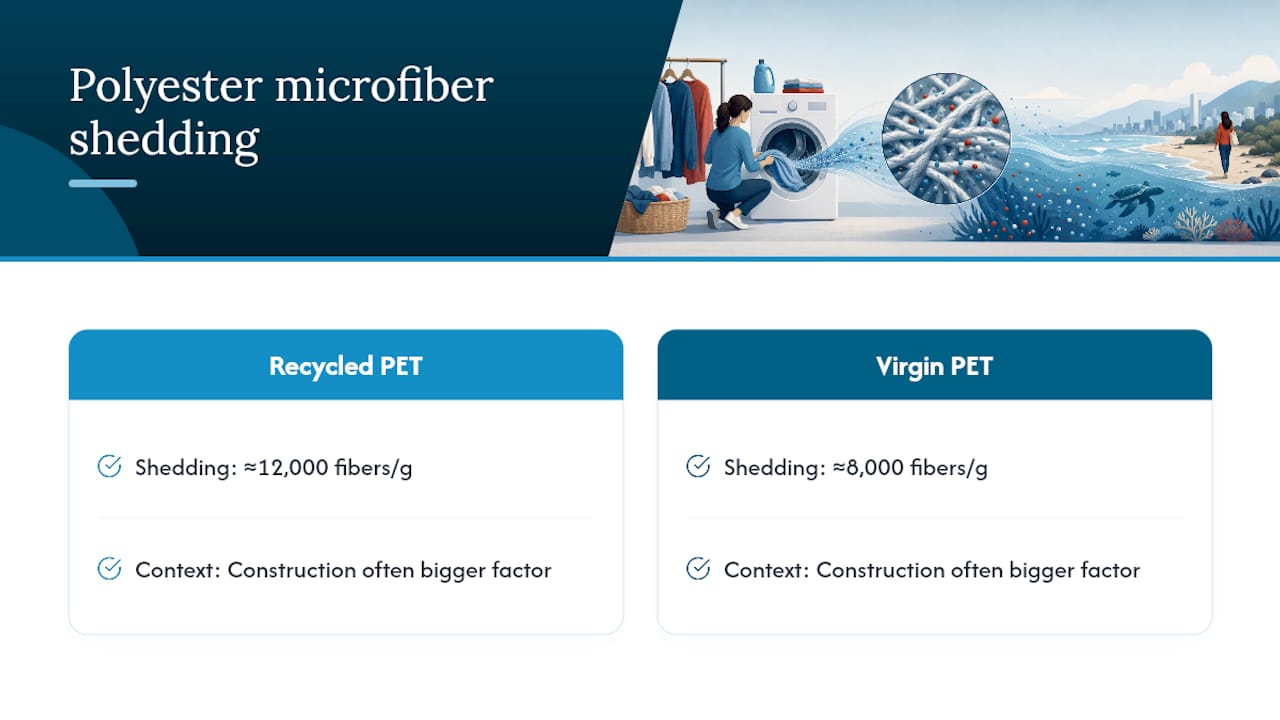
Yes, and the research on this has gotten more specific. Lab testing has found that recycled polyester can shed more microplastic fibers per gram than virgin polyester, with one report clocking recycled polyester at roughly twelve thousand fibers per gram compared to about eight thousand for virgin polyester (https://natuclothes.com/materials/is-recycled-polyester-better/). That’s a counterintuitive result for anyone who assumed “recycled” automatically meant “lower shedding,” and it underscores a point worth repeating: fabric construction, meaning knit versus woven, staple versus filament yarn, and finishing treatments, often drives shedding more than the fiber’s origin does.
The health angle matters here too. Researchers have detected microplastic particles in human blood, lungs, and even placental tissue, which raises real questions about exposure pathways, including the clothes we wear against our skin every day. The science on how much clothing specifically contributes is still developing, but the detection itself is well documented.
If you want to cut your exposure, wash synthetics in cold water, use a microfiber-capture bag or an in-line washing machine filter, and wash less often. For anything worn directly against skin for long stretches, organic cotton sidesteps the shedding question entirely.
Which Fabric Performs Better Day to Day?
Cotton breathes. It pulls moisture away from skin gradually and feels cool against the body, which is exactly why it’s the default choice for underlayers and hot-weather basics. Polyester handles moisture differently: it wicks sweat to the fabric surface where it evaporates faster, which is why it dominates activewear and anything meant to survive repeated hard use. On durability and shape retention, polyester and recycled polyester come out roughly even. A 244-person blind wear trial found no reliable difference in comfort or durability between virgin and recycled versions, which means choosing recycled polyester over virgin costs you nothing on performance.
Blends split the difference, adding stretch recovery and wrinkle resistance to cotton’s softness. For printing, screen printing and direct-to-garment (DTG) work cleanly on cotton, while sublimation printing needs a high polyester content to bond properly.
- Everyday tees and loungewear: organic cotton or a cotton-heavy blend
- Activewear and technical gear: recycled polyester
- Kids’ clothing and base layers: organic cotton
Pro Tip: Wash in cold water, skip the dryer when you can, and turn shirts inside out before washing. That single habit change slows fiber breakdown, preserves print quality, and can add a year or more to a shirt’s usable life.
What Certifications Actually Guarantee Something?
Not all labels carry equal weight, and knowing the difference saves you from paying a premium for a vague claim. GOTS (Global Organic Textile Standard) covers the entire organic textile chain, from fiber growing through dyeing, finishing, and labor practices. GRS (Global Recycled Standard) verifies recycled content and tracks chain of custody for recycled materials like rPET. OCS (Organic Content Standard) verifies the organic fiber percentage without covering the broader supply chain the way GOTS does. Textile Exchange maintains a breakdown of these cotton initiatives that’s worth a look if you’re sourcing in bulk.
If you’re buying in volume, ask suppliers for actual certification documentation or a fabric-specific LCA, not just a marketing claim. Red flags include vague terms like “eco-friendly,” “green,” or “sustainable” printed on a hang tag with no certifying body named anywhere.
How Should You Choose Between Cotton, Polyester, and Blends?
Start with the use case, not the marketing copy. If you’re buying for a baby, an underlayer, or anything worn against skin for hours, prioritize organic cotton and skip the microplastic question entirely. If you’re outfitting for heavy technical use, hiking gear, running shirts, gym wear, recycled polyester’s durability and moisture management earn their place, and the wear trial data confirms you’re not sacrificing comfort by choosing recycled over virgin.
For branded merch and everyday tees, blends often make the most practical sense. A 50/50 or 60/40 cotton-to-recycled-polyester blend balances softness against shape retention, and it holds up to repeated washing better than 100% cotton while shedding fewer microplastics than 100% polyester. Availability and cost still matter: organic cotton typically runs more expensive than conventional cotton, and certified recycled polyester can sometimes cost more than virgin, so budget accordingly if certifications are non-negotiable for you.
Wattzgood’s Take on Choosing Fabric for a Message That Matters
We design shirts for people who already think about their footprint every time they get behind the wheel of an EV, so the fabric under the graphic can’t undercut the message on top of it. That means weighing softness, durability, and printability against the sustainability story we’re telling, the same tradeoffs covered above, applied to a closet full of witty EV graphics instead of blank basics.
Fabric choice for branded apparel is never just about a single spec sheet. It’s about matching the shirt to how people actually wear it: daily, washed often, and usually with pride. That’s the standard we hold every design to before it reaches the storefront.
— Quincy
Wear the Message, Not Just the Material
Once you know what to look for in a shirt, the next question is what’s actually printed on it. Some companies make EV-themed apparel for people who want their wardrobe to match their driveway. The EV over Gas tee is a straightforward pick for daily wear and layers well under a jacket for cooler months. The Plaid Tee leans toward a softer, everyday-comfort fabric feel that suits casual rotation. The Wattz Logo Tee keeps things simple for anyone who wants a clean, understated way to signal their EV lifestyle without a loud graphic.
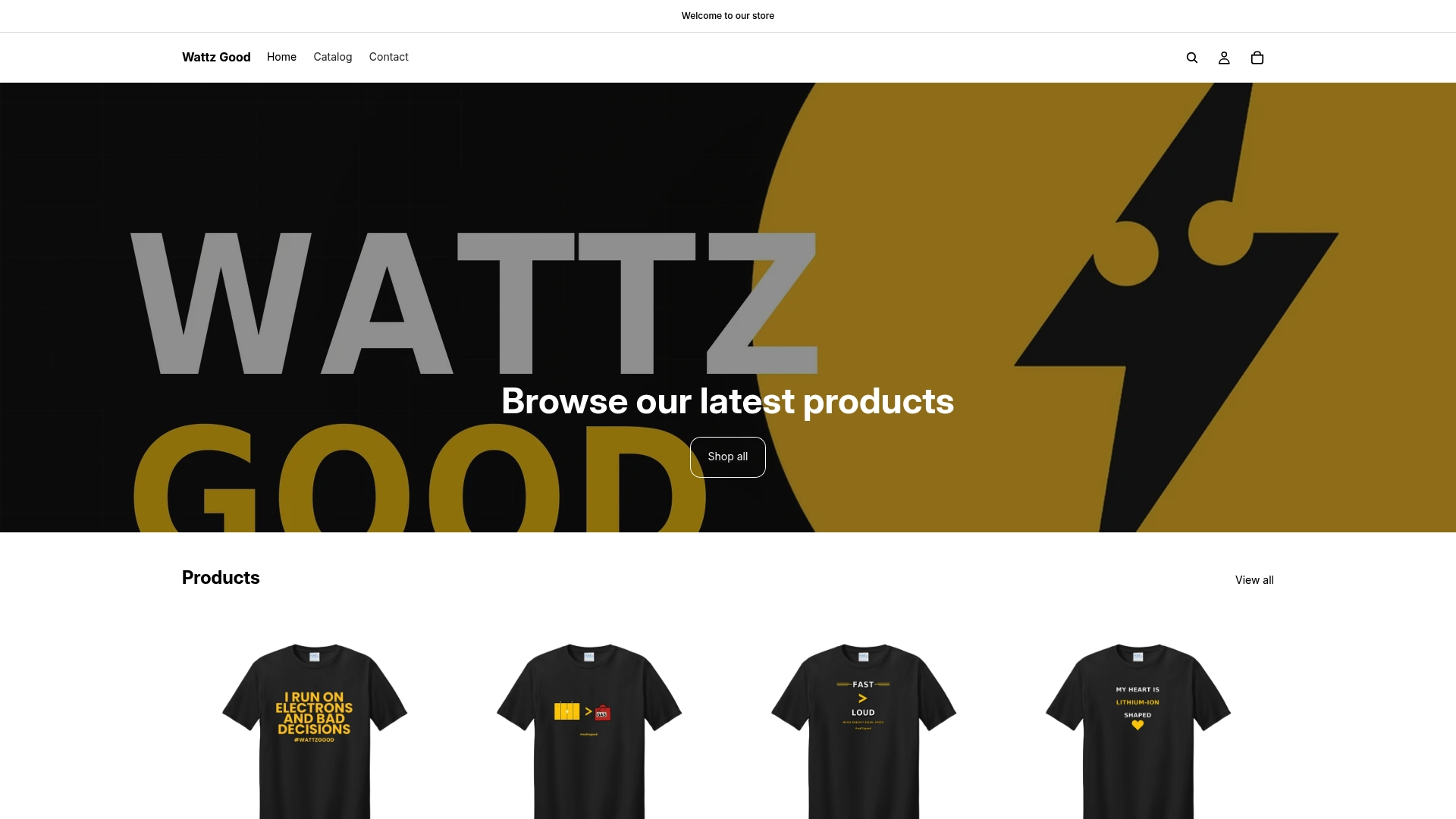
None of these shirts pretend to solve fashion’s plastic problem on their own. They’re built to be worn often, hold up in the wash, and say something true about the person wearing them. Browse the full Wattzgood lineup and find the shirt that matches how you actually want to talk about your EV.
Sources
- Why recycled polyester isn’t solving the fashion climate and waste crisis (ESG Dive)
- Is recycled polyester better? What the data shows (NatuClothes)
- Organic cotton vs recycled polyester — wholesale buyers guide (GotApparel, 2026)
- Comparative life cycle assessment and wear trial evidence (Springer, 2025)
FAQ
Is It Healthier to Wear Cotton or Polyester?
Organic cotton is the lower-risk choice for direct skin contact since it doesn’t shed synthetic microplastic fibers the way polyester does. Researchers have found microplastic particles in human blood and tissue, though how much clothing specifically contributes is still being studied.
What Are the Downsides of Organic Cotton?
Organic cotton typically costs more to produce than conventional cotton and requires more land and labor per garment. It also lacks the moisture-wicking and stretch-recovery properties that make polyester useful for technical activewear.
Why Is Everyone Getting Rid of Polyester?
Concerns center on microplastic shedding and polyester’s fossil-fuel origins, not on performance failures. Lab testing has even shown recycled polyester shedding more fibers per gram than virgin polyester in some cases, which surprises a lot of shoppers who assumed recycled automatically meant cleaner.
What’s the Healthiest Fabric to Wear?
For skin contact, certified organic cotton carrying a GOTS label is the safest bet since it avoids synthetic pesticides and doesn’t shed microplastic fibers. For heavy-use technical gear where durability matters more, certified recycled polyester performs on par with virgin polyester without adding new plastic to the supply chain.