
A statement tee is a T‑shirt built to say something specific: a message, a stance, an identity, or a joke, printed loud enough that strangers get it on sight. It works as fast, wearable self-expression, closer to a public announcement than a fashion choice. One working example of a statement tee done with intent rather than as filler graphics is a Plaid Tee sold by Wattzgood.
TL;DR:
- Statement tees rely on large, high-contrast typography and simple focal points to ensure their message is legible from a distance.
- The format has evolved from protest slogans in the 1960s to a cultural staple, with recent revivals driven by nostalgia and celebrity influence.
- Wearing a statement tee signals identity but can also create friction if the message is confrontational or misread in certain contexts.
- The most effective statement tees are designed with clear readability, verifiable references, and awareness of the setting where they are worn.
- Wattzgood’s Plaid Tee exemplifies a meaningful message, combining eco-conscious humor with durable print, ideal for true believers seeking authentic self-expression.
Table of Contents
- What Makes a Tee a “Statement Tee,” Exactly?
- From Postwar Undergarment to Protest Uniform: A Short History
- Why People Actually Wear Them
- Statement Tee Styles and How to Wear Each One
- How to Choose a Statement Tee You Won’t Regret Wearing
- Where Wattzgood Fits Into the Statement Tee Story
- A Personal Note on Wearing What You Believe
- Wear the Message You Actually Mean
- Sources
- FAQ
What Makes a Tee a “Statement Tee,” Exactly?
“Statement” describes intent, not fabric or fit. Any cotton crewneck can become a statement tee the moment its design is built to be read and understood, not just glanced at. That is the real dividing line between a statement t-shirt definition and a plain graphic tee: purpose comes first, decoration comes second.
Most statement tees share a few visual habits that make the message land:
- Large, bold typography sized to be legible across a room, not just up close
- High-contrast printing (black on white, white on black) that reads instantly in low light or from a distance
- A recognizable symbol, logo, or slogan that carries meaning without extra explanation
- A single dominant focal point instead of a busy, multi-image layout
The overlap with other categories gets confusing fast. A basic tee has no message at all; it is a foundation piece. A graphic tee usually carries art, a band logo, or an aesthetic image, but not necessarily a point of view. A slogan tee is a subset of statement tees built entirely around text. Understanding the meaning of graphic tees helps here: they can shade into statement territory the moment the graphic starts arguing something, rather than simply decorating.
From Postwar Undergarment to Protest Uniform: A Short History
The T-shirt did not start as outerwear at all. It spent decades as an undershirt before World War II, and the postwar years pushed it into daily fashion, according to The Conversation. The 1960s turned that plain cotton shape into a message board, with slogans tied to peace movements and civil rights showing up on chests instead of picket signs.
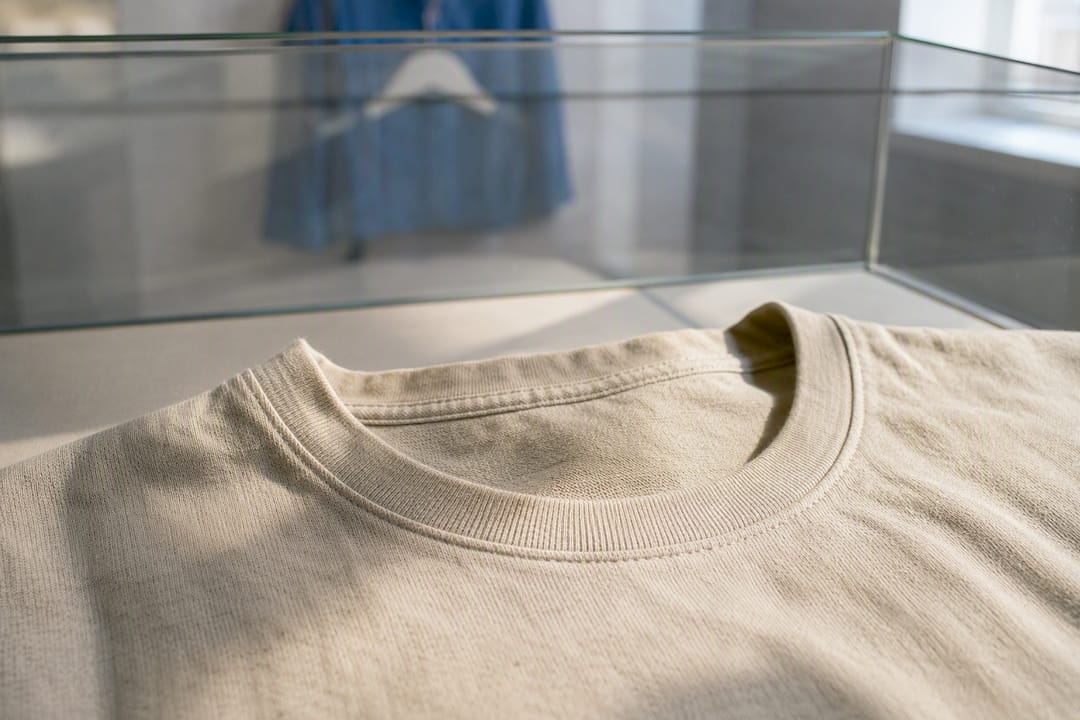
Punk pushed the format further in the 1970s. Vivienne Westwood and Malcolm McLaren used T-shirts as deliberate provocations, and pieces like the “Anarchy in the UK” shirt are now preserved by the Metropolitan Museum of Art as cultural artifacts, not just old merchandise. The museum holds companion pieces too, including the “God Save the Queen” shirt, which shows how deliberately those designs were built to unsettle people.
A few landmarks worth knowing:
- 1960s: slogan tees attach themselves to protest and counterculture movements
- 1970s: punk designers weaponize the T-shirt as visual confrontation
- 1980s: charity tees and benefit-concert merchandise normalize “wearing a cause”
- Late 1990s to 2000s (Y2K): logo-heavy, ironic, and brand-driven statement styles peak
- 2020s: a documented graphic tee revival, driven partly by nostalgia and celebrity styling, according to Vogue
That last wave matters because it shows the format never really left. It just keeps changing who gets to write the slogan.
Why People Actually Wear Them
Wearing a statement tee is a small act of identity signaling. It tells strangers something about your politics, your sense of humor, your music taste, or your cause before you say a word. Fashion scholarship on slogan T‑shirts frames them as a way of externalizing something internal, according to Cyprus Mail, which is a fairly precise way of describing why a shirt can feel more honest than small talk.
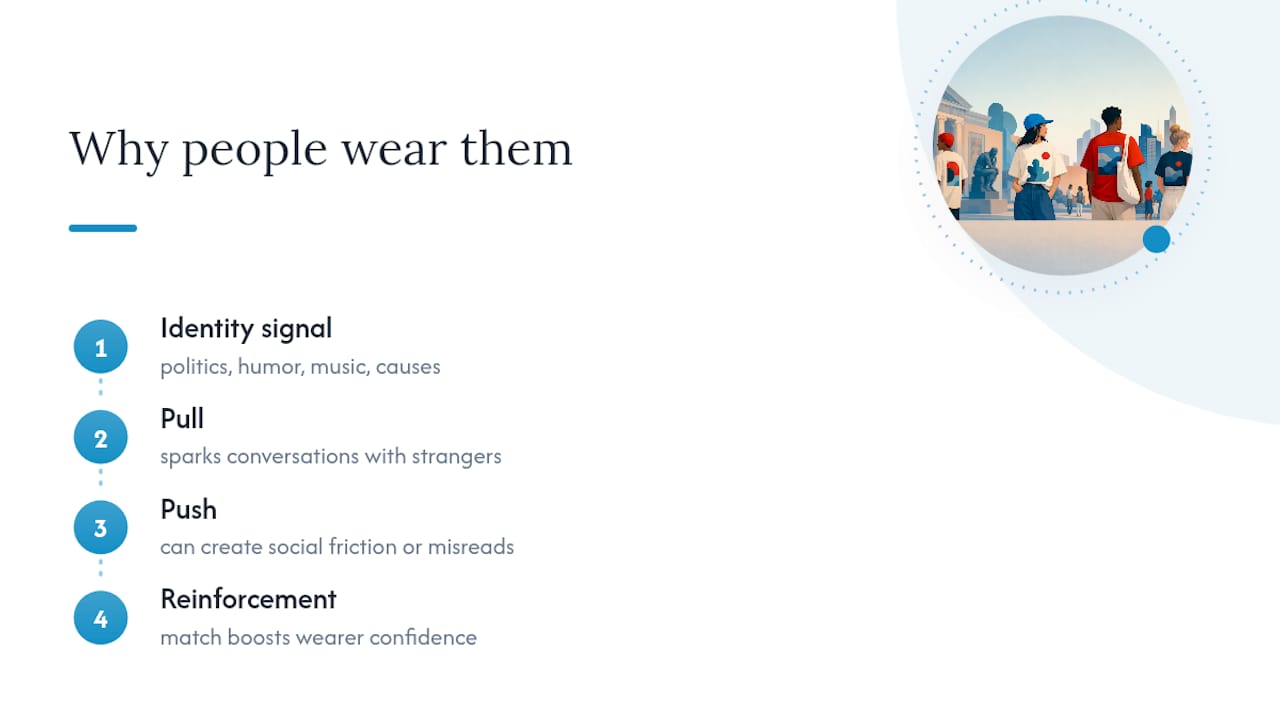
That externalizing works two ways. A shirt can pull people toward you, like a stranger at a coffee shop recognizing a band logo and striking up a conversation. It can also push people away, especially if the message reads as confrontational or gets misread out of context. Confidence tends to rise when the shirt matches how someone already sees themselves; friction tends to rise when the wearer and the observer read the same symbol completely differently. Both outcomes are part of the deal, not a flaw in the format.
Statement Tee Styles and How to Wear Each One
Not every statement tee shouts. Some work through subtlety, others through volume, and matching the style to the outfit is where most of the styling decisions actually happen.
- Bold slogan tees. Big type, direct language, no ambiguity. Keep the rest of the outfit quiet, plain denim, simple sneakers, so the shirt stays the focal point.
- Subtle symbol tees. A small icon or single word that only means something to people who already know. These pair well with tailored pieces, like a blazer over the tee, because the message rewards a closer look rather than demanding one.
- Vintage, band, and brand tees. Worn logos and faded graphics that read as lived-in rather than loud. Oversized fits and layering under jackets suit this style best.
- Ironic or snarky tees. Humor-driven text meant to get a laugh or a smirk. These work best kept casual, sneakers and shorts or straight-leg jeans, since dressing them up fights the joke.
- Cause and fundraiser tees. Charity slogans or campaign graphics, often tied to a specific event or organization. Simple styling keeps focus on the message instead of the outfit.
Scale matters as much as color. A shirt with a huge graphic reads as loud even in muted gray, while a small, well-placed symbol can carry real weight without shouting, since visual size and symbolic meaning are two different dimensions entirely. Match your accessories and layers to how much attention the shirt is already pulling.
How to Choose a Statement Tee You Won’t Regret Wearing
Start with a readability check. If someone standing at normal conversation distance can’t read the text or make out the graphic clearly, the design is failing at its one job. Custom print specialists recommend photographing the design at arm’s length before committing, since that quick test reveals spacing and font problems a screen preview hides, according to RealThread.
A short pre-purchase checklist helps avoid regret:
- Does the slogan or symbol still make sense out of the context it came from?
- If it references a charity or cause, is that claim verifiable?
- Could the design be read as culturally appropriative rather than appreciative?
- Are the seams reinforced and is the print screen-quality rather than a cracked, cheap transfer?
Pro Tip: Before you buy, ask yourself if you’d still want to wear the shirt into a room full of strangers who disagree with it. If the answer is no, it’s probably not the right statement for you.
Context changes everything here. The same slogan that reads as celebratory at a concert can read as provocative at work or a family dinner, so weigh the venue as carefully as the design itself, a point The Conversation makes clear when discussing how meaning shifts with setting.
Where Wattzgood Fits Into the Statement Tee Story
Some EV-themed apparel exemplifies the principle that drives every good statement tee: a clear message, printed with intent, not just decoration. The Plaid Tee is a working example already available on the site, aimed at drivers and eco-conscious shoppers who want their shirt to actually say something. This article is written by Quincy for Wattzgood’s editorial team, drawing on cultural history and design practice covered above.
A Personal Note on Wearing What You Believe
Balancing self-expression with context is a skill, not a switch you flip once. Before you put on anything with a message, ask two things: can a stranger read it at a glance, and am I comfortable defending it if someone asks? If you’re chasing a statement tee that’s built with actual thought behind the print, Certain EV-themed apparel lineups are worth exploring for those seeking thoughtfully designed statement tees.
— Quincy
Wear the Message You Actually Mean
Wattzgood built the Plaid Tee around the same idea that made slogan shirts matter in the first place: a message worth putting on your chest, printed clean, on material that holds up past one wash cycle. It pairs a plaid-inspired graphic with EV-driver humor, so it reads as personality first, not just merchandise.
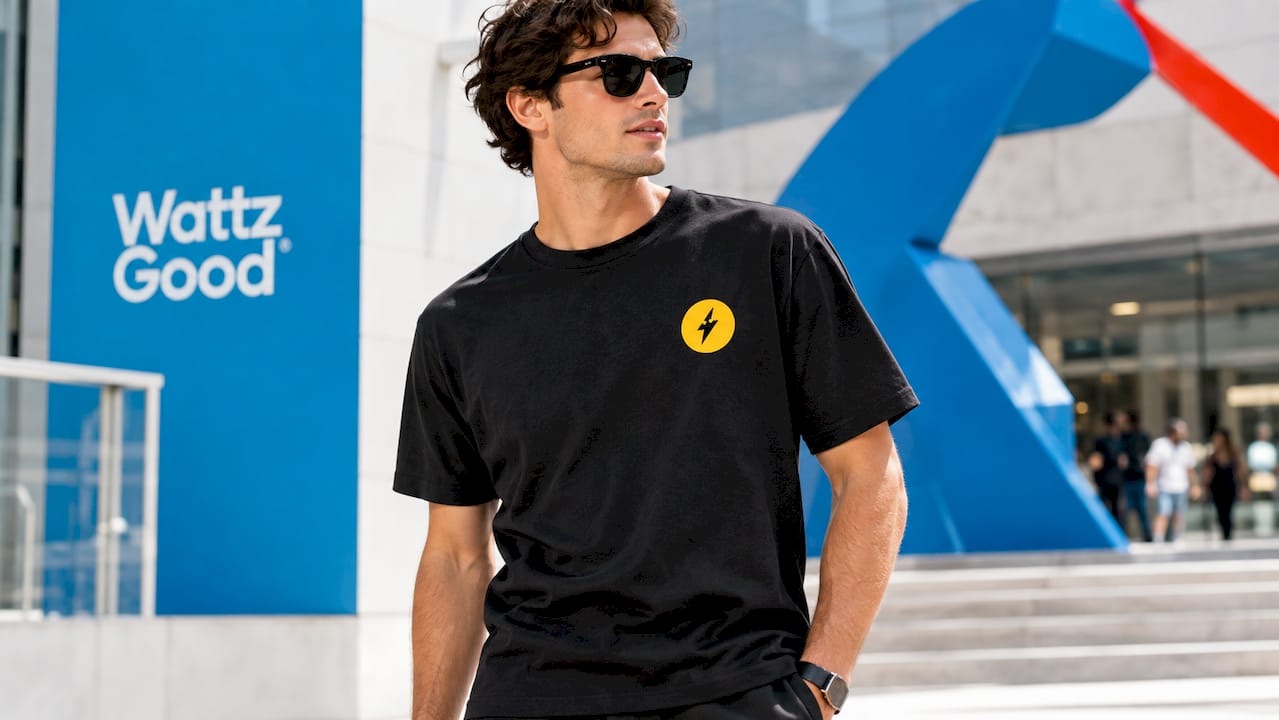
If you’re an EV owner or an eco-conscious shopper tired of shirts that say nothing, the Plaid Tee gives you something specific to wear instead of another blank logo tee. Check sizing and grab one from the product page while you’re deciding what your next shirt should actually say.
Sources
- A brief history of the slogan T‑shirt — The Conversation
- “Anarchy in the UK” T‑shirt — The Metropolitan Museum of Art
- tee shirt | Cambridge Dictionary
- Behold: A graphic tee revival! — Vogue
FAQ
What does “tee” mean in slang?
“Tee” is simply short for T-shirt, the short-sleeved, crew-neck cotton shirt shaped like the letter T when laid flat. The Cambridge Dictionary confirms this is the standard usage, not a slang variant limited to one subculture.
What two colors should not be worn together?
There’s no fixed rule here, and color pairing depends heavily on personal style, context, and the specific shades involved. What matters more for a statement tee is contrast for legibility, dark text on a light shirt or the reverse reads far more clearly than similar tones layered together.
What are examples of statement pieces?
Statement pieces include bold slogan tees, symbol-driven graphic tees, vintage band shirts, ironic or humor-based designs, and cause or fundraiser shirts tied to a specific charity. Wattzgood’s Plaid Tee fits this category as an EV-themed example built around a specific message rather than generic decoration.
What does “tees” mean in clothes?
In clothing, “tees” is just the plural of T-shirt, referring to any short-sleeved cotton shirt in that classic shape. A statement tee is simply a tee where the design does more work: communicating a message, identity, or point of view rather than just covering the body.