
Pick tri-blend for a shirt that feels broken in the store, drapes close to the body, and holds its shape wash after wash. Both fabrics carry a sustainability trade-off worth knowing before checkout, and the EV-themed tees are designed around the trade-off between comfort and conscience.
TL;DR:
- Tri-blend shirts offer immediate softness and a draping fit thanks to rayon, but require gentle washing to prevent fiber weakening and shrinkage.
- Cotton shirts are more durable, stronger when wet, and shrink mostly in early washes, making them better for long-term wear and heavier use.
- Neither fabric is ideal for heavy sweating; technical moisture-wicking fabrics are better suited for intense athletic activities.
- Environmental concerns involve tri-blend microfiber shedding contributing to water pollution, while cotton’s sustainability varies with farming practices.
- Care habits, including washing in cold water and using minimal heat, significantly extend the life and maintain the shape of both fabric types.
Table of Contents
- Tri Blend vs Cotton: What Each Fabric Actually Is
- Tri Blend vs Cotton Shirts: A Dimension-by-Dimension Comparison
- How to Choose Between Tri Blend and Cotton by Use Case
- How to Wash Tri Blend and Cotton to Cut Shrinkage and Shedding
- Environmental Trade-Offs and How to Reduce Them
- Skin Sensitivities and Allergens: Cotton vs Tri Blend
- Wattzgood’s Take on Choosing the Right Fabric
- Shop by Priority: Matching Wattzgood Tees to What Matters Most
- Sources
- FAQ
Tri Blend vs Cotton: What Each Fabric Actually Is
The core question behind tri blend vs cotton comes down to fiber math.
Each fiber in a tri-blend pulls its own weight. Cotton contributes breathability and a familiar hand-feel. Polyester, a synthetic petroleum-based fiber, resists stretching and holds the garment’s shape through washes. Rayon, a regenerated cellulose fiber made by chemically dissolving and re-spinning wood pulp, adds the silky drape and softness that makes a brand-new tri-blend shirt feel like something you have owned for a year.
The fiber-level chemistry explains most of what you feel and experience in wear:
- Cotton fibers swell when wet and shrink back slightly when they dry, which is why cotton knits move over time unless a mill finishes them to control it, according to CottonWorks’s technical bulletin on wet processing.
- Polyester is a heatset synthetic fiber, meaning its shape gets locked in during manufacturing and barely moves afterward, which is the main reason tri-blends resist shrinkage better than pure cotton.
- Rayon has notably weaker wet strength than either cotton or polyester, so a tri-blend shirt needs gentler laundering even though it feels sturdy on the hanger, a nuance Boring Label’s fabric comparison points out.
- Cotton actually gets stronger when wet, a property covered in CottonWorks’s fiber properties reference, which is part of why cotton toweling and work shirts hold up to repeated hard washing.
That last point surprises people. You would think a wet fiber gets weaker across the board. Cotton is the exception, and it is a big part of why heavyweight cotton tees survive years of regular wear while a cheap synthetic blend frays at the seams first.
Tri Blend vs Cotton Shirts: A Dimension-by-Dimension Comparison
Comparing cotton vs tri blend shirts only gets useful once you break it into the categories that actually change how a shirt feels on your body and how long it lasts in your closet.
Feel, hand, and softness
Tri-blend wins the first-impression test almost every time. The rayon content gives it a silky, lightweight hand straight out of the package, which is exactly why StudioOne Printing’s fabric guide calls tri-blend a go-to for retail and fashion tees where comfort has to sell the shirt on contact. Cotton takes a different path to softness: it starts stiffer, especially in heavier weights, and breaks in gradually through washing and wear as the fibers relax. If you want instant comfort, tri-blend gets there faster. If you like the ritual of a shirt getting better with age, cotton delivers that slow payoff.
Breathability and moisture behavior
Cotton absorbs moisture aggressively and releases it slowly, which is exactly why it dominates towels, undershirts, and hot-climate basics, an advantage tied directly to the fiber’s natural absorbency described in CottonWorks’s fiber reference. Tri-blend breathes less efficiently because polyester does not absorb moisture the way cotton does. It manages heat differently instead: the lighter overall fabric weight lets air move more freely across the surface, so it can feel cooler in dry heat even while soaking up less sweat.
Statistic Callout: Neither fabric is actually built for heavy sweat. If you are training hard, both cotton and tri-blend fall short of purpose-built moisture-wicking synthetics designed specifically for athletic output, a point StudioOne Printing’s guide makes plainly. Save the gym for technical fabrics and save your favorite cotton or tri-blend tee for everything else.

Durability, pilling, and wet strength
This category splits in an interesting way. Polyester’s shape memory helps tri-blend resist stretching out at the collar and cuffs, which is a real durability win. But rayon’s weak wet strength means the same shirt can thin or pill faster after dozens of wash cycles, particularly with rough handling or hot water. Cotton, by contrast, gets stronger when wet and tends to age through gradual softening rather than structural breakdown, which is why a well-made heavyweight cotton tee often outlasts a tri-blend one in raw years of service, even if it looked rougher on day one.
Shrinkage and dimensional stability
Cotton is the fabric most likely to change size on you. Because cotton fibers swell and deswell with moisture, an unfinished or poorly finished knit can shrink meaningfully in the wash. CottonWorks’s wet processing bulletin explains that mills use compaction and crosslinking finishes specifically to control this, but even well-finished cotton retains some shrink risk. Most of that risk shows up early: cotton generally reveals most of its total shrinkage within the first few washes, then stabilizes, according to CottonWorks’s own webinar notes. Tri-blend shrinks far less overall because the polyester content simply does not move the way cotton fiber does.
Drape, weight, and fit
Tri-blend tees tend to be lighter and fit closer to the body, which is why they show up so often in fitted, fashion-forward retail runs. Cotton tees, especially in midweight or heavyweight jersey, sit boxier and thicker, with more structure and less cling. Neither is objectively better here. It depends on whether you want a shirt that skims the body or one that stands on its own.
Care differences that change the outcome
- Tri-blend is best cared for with cold water and low heat to protect the rayon fibers and preserve drape.
- Cotton tolerates warmer washing and higher dryer heat, though warmer water and heat both push shrinkage further, so cooler settings still protect fit longer.
- Over-agitation in top-load washers stresses rayon fibers more than cotton fibers, which matters if your tri-blend shirt has any wet-strength wear already.
- Both fabrics last longer with less frequent washing, since every cycle is a small mechanical and chemical stress test on the fibers.
Pro Tip: Check the care label before you assume anything. A tri-blend shirt washed like heavyweight cotton will lose its shape fast, and a cotton shirt babied like delicate rayon just wastes water and time it did not need.
Environmental impact at a glance
Cotton is biodegradable and made from a renewable crop, though conventional cotton farming carries its own water and pesticide footprint. Tri-blend’s polyester content sheds microfibers, tiny plastic particles that enter waterways through ordinary washing, an issue detailed in the EPA’s report on microfiber pollution. That single trade-off, comfort now versus plastic shedding over the shirt’s lifetime, is the one most shoppers never think about until it is pointed out.
How to Choose Between Tri Blend and Cotton by Use Case
Answering “is tri blend better than cotton” honestly depends entirely on what you are buying the shirt to do. Work through this quick checklist before you add anything to your cart.
- Rank your top priority. Decide if softness, breathability, durability, or shape retention matters most for this specific shirt, because no single fabric wins on all four.
- Match the climate. Hot, humid conditions favor cotton’s absorbency; mild or dry climates let tri-blend’s lighter weight shine without the sweat drawback showing up.
- Consider the wash frequency. A shirt you will wash weekly benefits from tri-blend’s shrink resistance; a shirt washed occasionally can handle cotton’s early shrink window just fine.
- Think about the fit you want. Tri-blend generally runs trimmer and closer to the body, so if you prefer a relaxed, boxier silhouette, size up or lean cotton instead.
- Match the activity to the fabric. For everyday casual wear, either works well. For branded merch or retail-style tees, tri-blend’s out-of-the-box softness and heathered look, driven by how differently each fiber accepts dye according to AiMerch’s fabric comparison, tends to win. For heavy workouts, skip both and reach for a technical wicking fabric instead. For rugged, long-haul use like work shirts or daily-driver tees you expect to survive years, heavier cotton usually holds up better.
- Check the print or design if it is branded apparel. Heavier cotton and CVC blends often take certain print methods more cleanly than lightweight tri-blend, a distinction Next Level Apparel’s fabric guide walks through for anyone buying custom or branded tees.
For layering pieces, either fabric works, but tri-blend’s lower bulk makes it the more comfortable base layer under a jacket or flannel. If you are shopping fit specifics across brands, retailers like Contour publish comparisons of how tri-blend and cotton sit differently on the body, which is worth a look if sizing has burned you before.
How to Wash Tri Blend and Cotton to Cut Shrinkage and Shedding
Laundering habits change outcomes more than most people assume. Wash temperature, cycle length, and machine type all affect both how much a garment shrinks and how many microfibers it releases into wastewater.
Cold water and shorter wash cycles reduce microfiber shedding meaningfully, and washing full loads reduces the friction between garments that knocks fibers loose in the first place, according to the EPA’s guidance on microfiber mitigation. Front-load washers also shed fewer fibers than top-load machines because they use less water and far less mechanical agitation.
- Wash tri-blend shirts in cold water on a gentle cycle to protect the rayon content and preserve drape.
- Wash cotton in cool to warm water; cooler settings help reduce early shrinkage and protect fit longer.
- Air drying cotton or using low heat is recommended, as high dryer heat increases shrinkage risk.
- Air dry or use the lowest heat setting for tri-blend too. Rayon fibers weaken when overheated wet, and polyester can lose its shape memory advantage under repeated high heat.
- Use a mesh wash bag or an external washer filter for any polyester-containing garment, then dispose of the collected lint in the trash rather than rinsing it down the drain.
Pro Tip: Run new tees through their first two or three washes on their own, separate from towels or heavier fabrics. That is when cotton does most of its shrinking, and keeping the load light limits the fiber friction that damages rayon in tri-blend shirts too.
Environmental Trade-Offs and How to Reduce Them
Cotton and tri-blend part ways sharply at end-of-life. A worn-out tri-blend shirt does not, because mixing cotton, polyester, and rayon into one yarn makes mechanical recycling far harder. Recyclers generally need a single, sortable fiber type to reprocess a garment, and blended fabrics rarely qualify, which pushes most of them toward landfill or downcycling instead of a second life as new fabric.
Statistic Callout: Microfiber shedding from polyester-containing garments is a documented source of microplastic pollution, and the EPA specifically recommends washing less often, using cold and short cycles, choosing front-load machines, and adding external filters or wash bags to cut shedding at the source.
Practical mitigations if sustainability weighs into your decision:
- Buy fewer, more durable garments in either fabric rather than cycling through cheap ones fast.
- Wash smart using the cold, short, full-load approach above every single time, not just occasionally.
- Add a fiber-capturing wash bag to your routine if you own any polyester-blend clothing at all.
- Choose mono-fiber garments, cotton or otherwise, when you specifically care about biodegradability at the end of the item’s life.
There is no perfectly clean choice here. Cotton farming has its own resource footprint, and tri-blend’s synthetic content sheds plastic for as long as the shirt exists. Weighing the trade-off honestly, rather than assuming one fabric is automatically the “green” pick, is the more useful habit to build.
Skin Sensitivities and Allergens: Cotton vs Tri Blend
Cotton is broadly considered one of the more skin-friendly fabrics available, since it is a natural, breathable fiber with no synthetic content to trap heat or moisture against sensitive skin.
Tri-blend introduces two additional considerations. Polyester can trap heat and moisture against the skin more than cotton, which occasionally aggravates existing irritation or triggers minor reactions in people prone to synthetic sensitivity. Rayon is generally gentle since it is a cellulose-based fiber, but the chemical processing used to manufacture it occasionally leaves residues that irritate very reactive skin.
None of this makes tri-blend unsafe for the vast majority of wearers. Most people wear polyester and rayon blends daily without any issue.
Wattzgood’s Take on Choosing the Right Fabric
The EV-themed tees embody the trade-off this comparison highlights: comfort has a cost, and that cost is worth knowing before buying. Designs take into account who will wear the shirt and how often, then select fabric accordingly.
The EV over GAS tee leans into everyday cotton comfort for the person who wants to make a statement without babying a delicate garment through the wash. The Plaid Tee targets the softness-first buyer, someone who wants a shirt that already feels broken in the first time they put it on. The Wattz Logo Tee sits in between, built for a buyer who wants the brand’s message front and center without sacrificing daily wearability.
None of that changes the physics of cotton and tri-blend. It just means the fabric gets chosen with the wearer in mind first, not the other way around.
— Quincy
Shop by Priority: Matching Wattzgood Tees to What Matters Most
If softness and drape are your top priority, the Plaid Tee is built for exactly that comfort-first feel discussed throughout this guide. If you want an everyday shirt that carries a clear message without demanding delicate care, the EV over GAS tee fits that daily-driver role. If brand identity and a clean design matter more than anything else, the Wattz Logo Tee covers that ground.
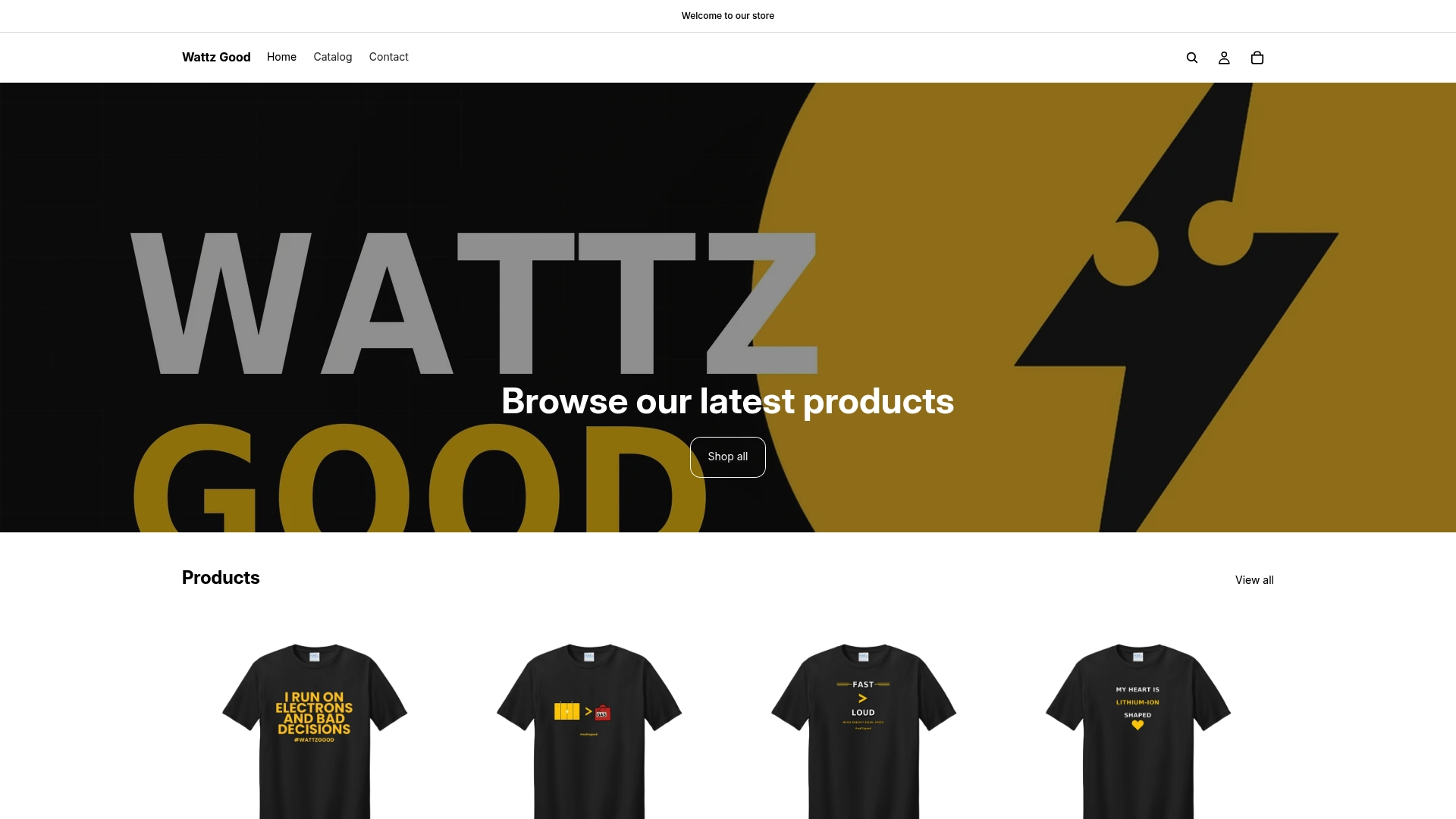
You already know the fiber trade-offs now: softness versus shrink resistance, breathability versus shape retention, biodegradable versus plastic-shedding. Wattzgood’s lineup exists so you do not have to choose between wearing your values and wearing something comfortable. Browse the full Wattzgood collection and pick the tee that matches the priority you ranked highest.
Sources
- EPA: Microfibers and Mitigation Measures
- Wet processing of 100% cotton knitted fabrics — CottonWorks
FAQ
Does Tri-Blend Fabric Shrink?
Rayon can lose some shape if washed in hot water, so cold, gentle washing keeps a tri-blend shirt closest to its original fit.
What Do Tri-Blend Shirts Feel Like?
Tri-blend shirts feel notably softer and lighter than cotton right out of the package, thanks to the silky drape rayon contributes to the blend, a quality StudioOne Printing’s fabric guide highlights as tri-blend’s main selling point for retail tees. They also tend to drape closer to the body rather than sitting boxy like a heavier cotton tee.
What Is Tri-Blend Fabric?
Tri-blend fabric combines cotton, polyester, and rayon into one yarn, with varying ratios, so the shirt gets breathability from cotton, shape retention from polyester, and softness from rayon all at once. It is a common choice for fashion-forward and retail apparel where immediate comfort and drape matter more than maximum durability.
What Is the Unhealthiest Fabric to Wear?
There is no single fabric proven unhealthy for everyone, but heavily synthetic fabrics can trap heat and moisture against the skin, which sometimes aggravates existing sensitivities or irritation.
Is Tri-Blend Better Than Cotton?
Neither fabric is universally better, since the right pick depends entirely on your priority. Tri-blend wins for softness, drape, and shrink resistance, while cotton wins for breathability, absorbency, and rugged long-term durability in heavier weights.